Going into the beginning of 2015 I had set out a few vague goals for the year. These mainly revolved around me finding my way into a technology company, preferably a startup. At the time, I had already spent about four months slowly teaching myself iOS programming with Swift.
I continued learning Swift and in February had an idea for an app that I thought could provide me challenges beginning with user interface and continuing all the way to big data analysis and natural language processing. I started work on the app, and quickly realized I had no idea what I was doing and this is not something that would be easy.
After about two and a half months of making a lot of mistakes, I decided to completely scrap my heap of spaghetti code and start all over from the top. I somehow got the idea that instead of just aiming for a job at a tech startup, I should shoot for a job at a Chinese tech startup to make use of my six years of Chinese study. In order to prove my coding ability, I would need to have at least a demo of my app available for the interviews.
Around May 15, I began applying to as many jobs as I could through China’s 51job.com and lagou.com. I had interviews with five or six companies ranging from Alibaba’s international marketing division to a tech startup in Chengdu. I was lucky enough to interview with a Shanghai financial tech company named Stubank two days before I left for the US. One week after returning home, I received a phone call from the CEO offering me a full time position as their second iOS developer and 23rd employee.
I had managed to create a semi-stable first version of my own app, Earlyworm, that I demoed during my interview. Earlyworm is a combined Read It Later and Flashcard app for Chinese learners. It uses real life articles from sites like 36Kr.com and Caijing.com.cn, and generates flashcards plus handles your deck automatically using spaced repetition.
Although I loved working at Stubank, our CEO called a meeting to inform all thirty of us that we were moving too slowly and the competition was getting more fierce. We soon realized we were being merged with a larger startup called Niuwa. That afternoon I printed out my resume, hopped in a cab with some of my coworkers and headed to the downtown offices of Niuwa for interviews.

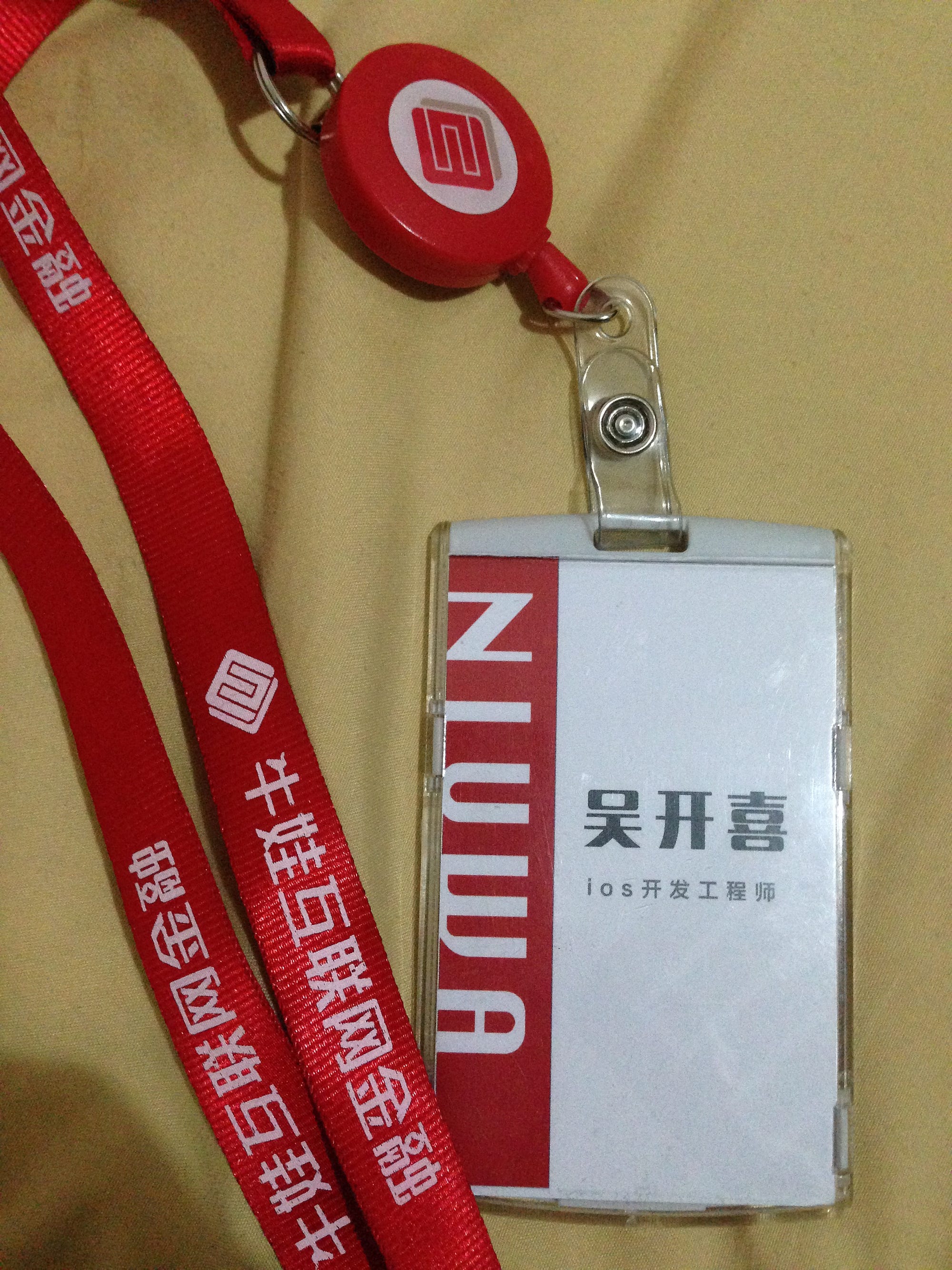
Although I loved working at Stubank, I also love Niuwa — both for very different reasons. Stubank’s organizational structure was super flat, and developers had a lot more freedom and input. At Niuwa, the company is structured much more like I would expect a larger company to be, but the management is amazing and I am learning as much about writing good code as I am about how a company should be run.